
TendonScan360®
A Complete MFL External Tendon Inspection System Available for Purchase.
TendonScan360 is designed for straightforward field operation and does not require the operator to be an engineer or MFL expert. The system automatically alerts the inspector when a potential defect is detected, allowing the indication to be recorded for subsequent evaluation. Once the field inspection is complete, the system can transfer the data to our technical support team to assist with interpreting the data and preparing the final inspection report, if needed. In short, your team can focus on collecting the field data while we provide the technical expertise necessary to evaluate the results, develop the final report, and assist with post-project questions from you or your customer.
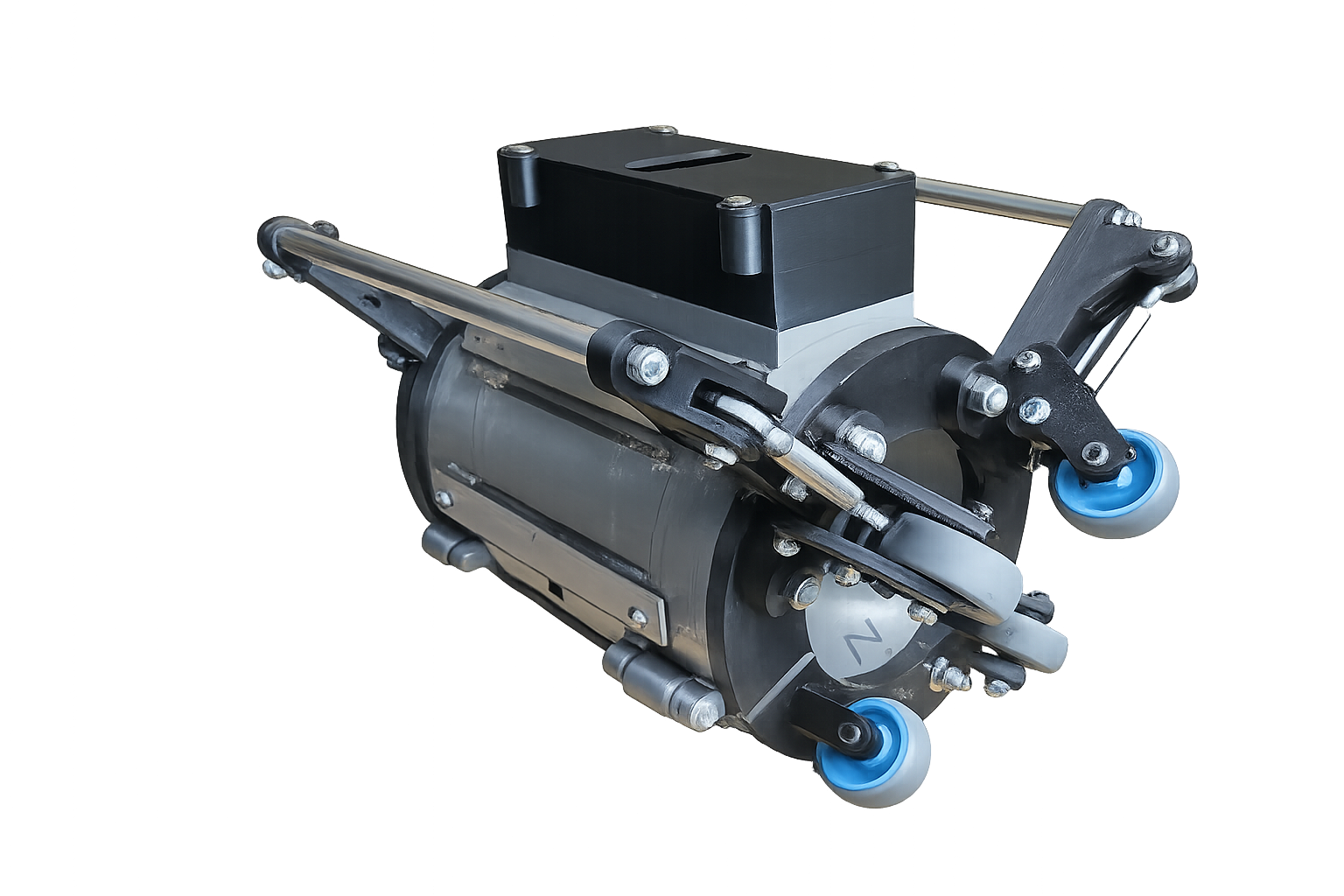
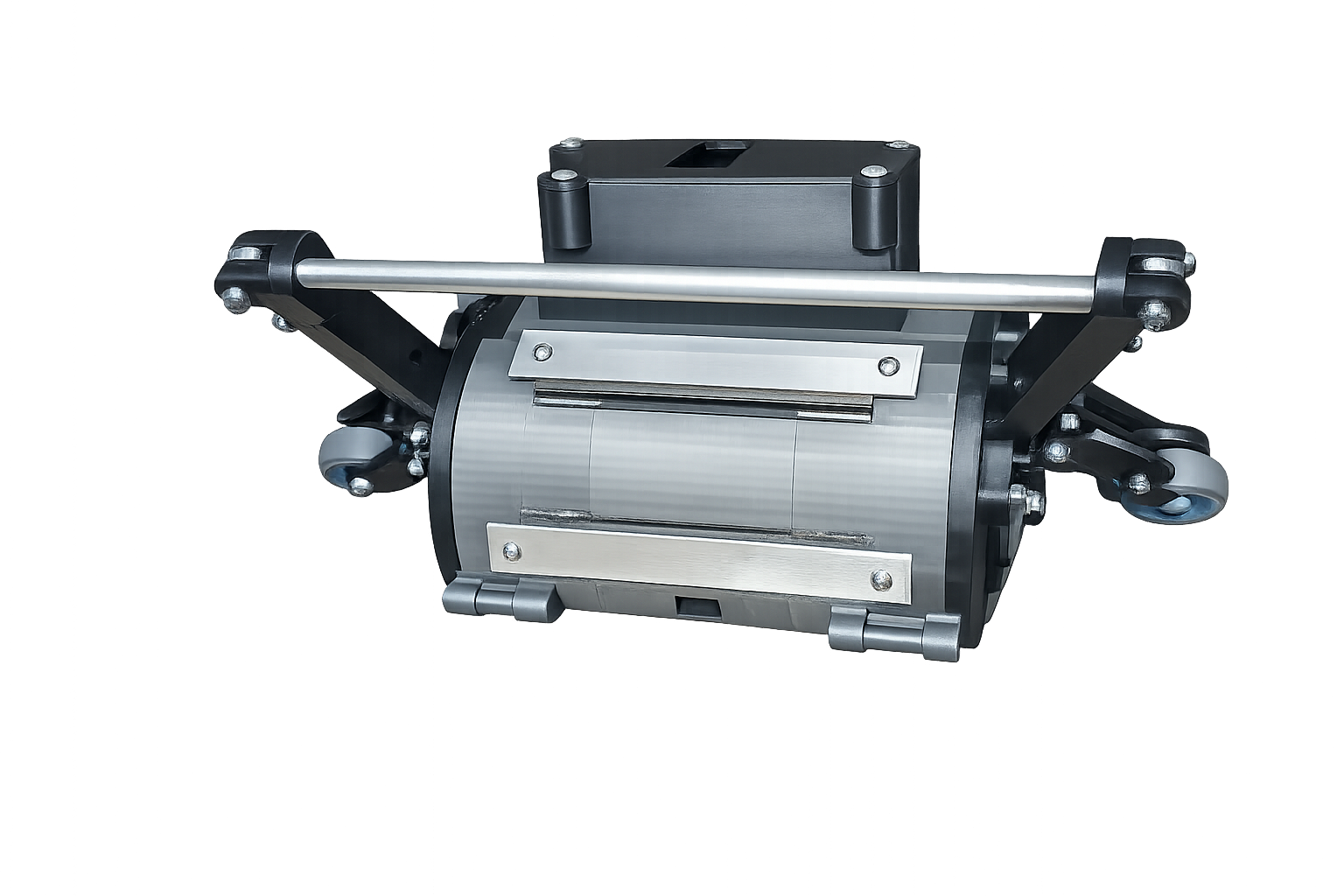
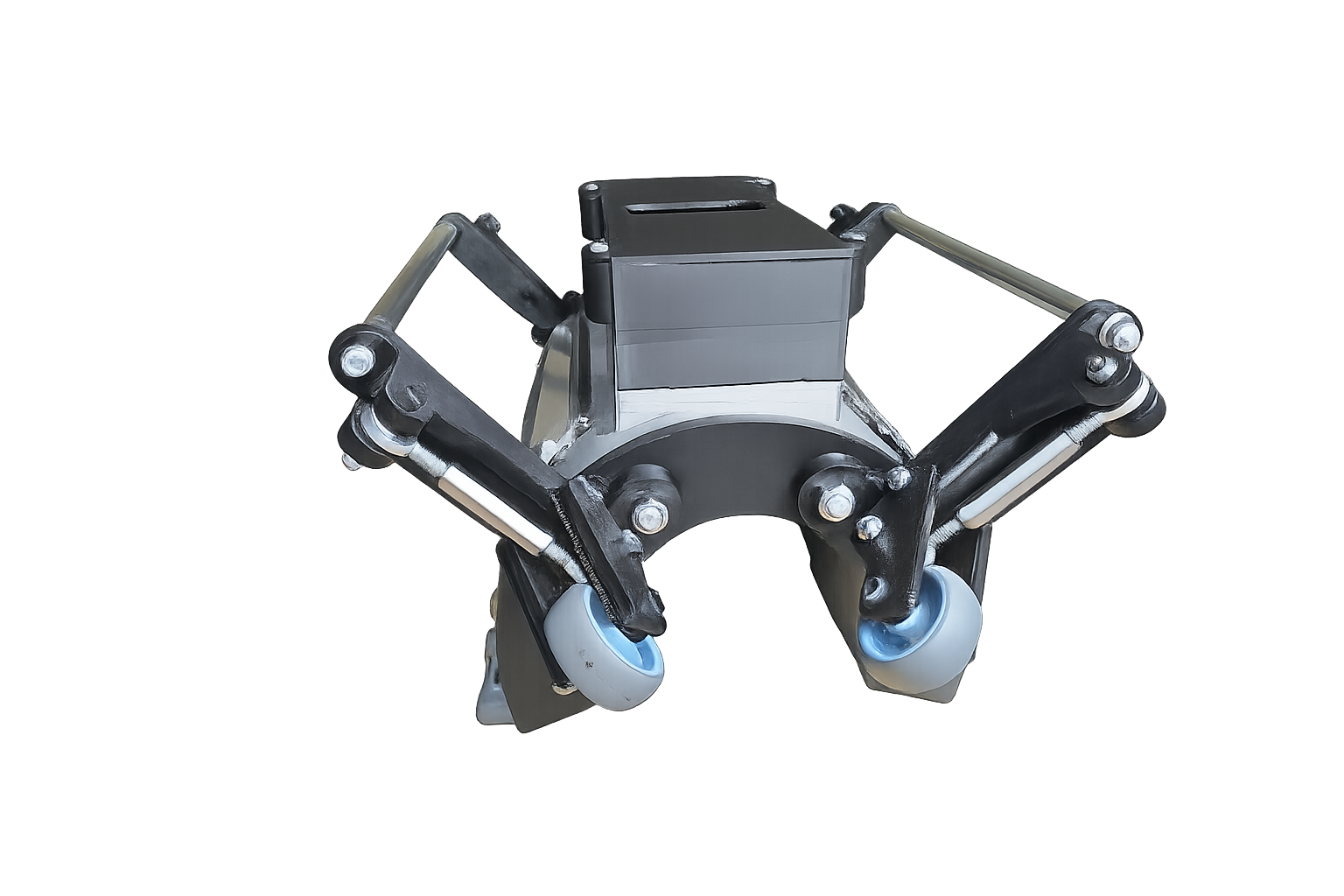
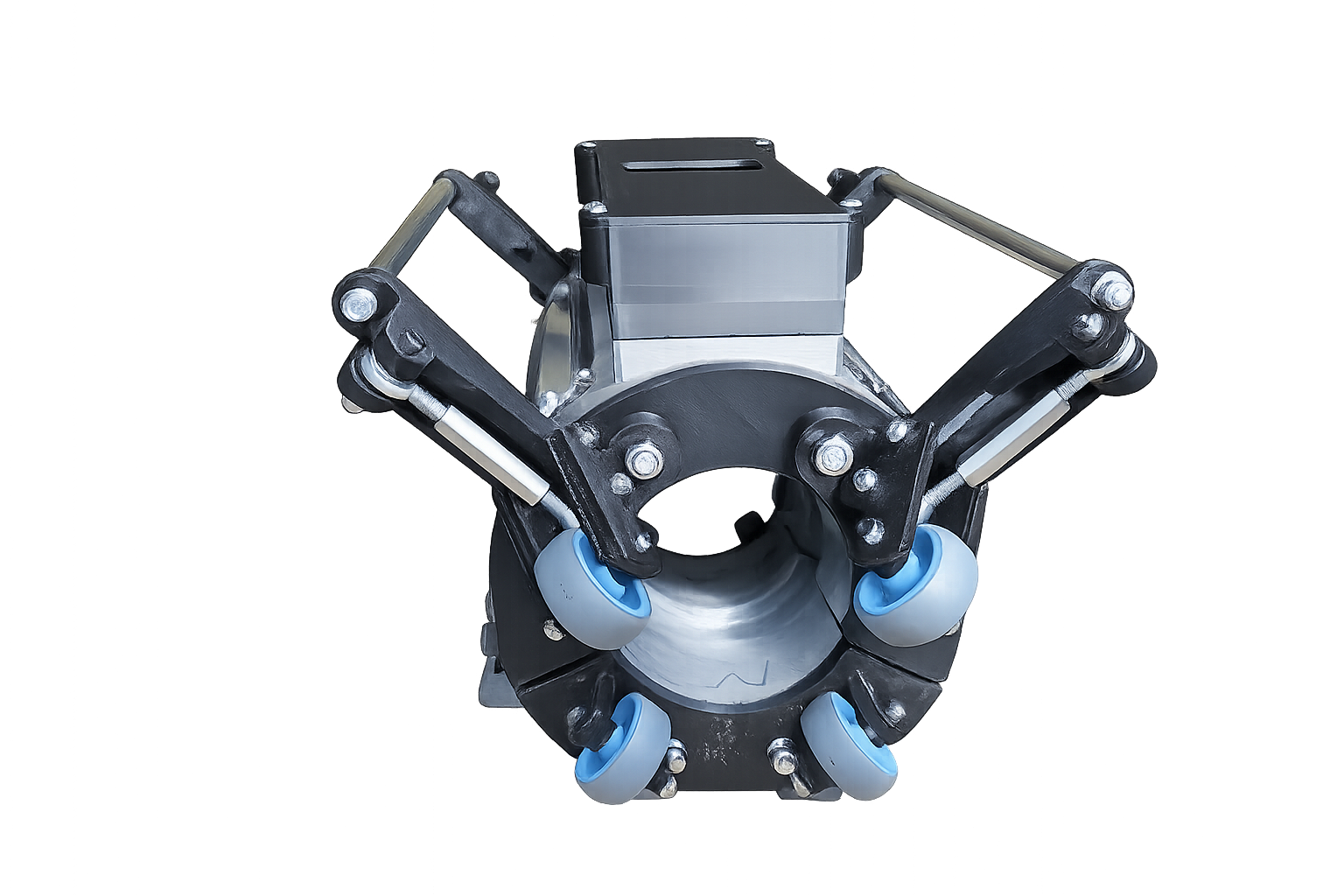
TendonScan360 is a Patent Pending family of Next-Generation External Tendon inspection systems that utilizes Magnetic Flux Leakage (MFL), 26 channel programable semiconductor sensor, and powerful rare earth magnets with patent-pending variable-sizing technology, which allows the sensor head to dynamically expand as it passes over repaired or enlarged sections of the tendon and then return to its original configuration.
The software module, SoftScan©, developed by Robotic Engineering, represents the next generation of MFL 3D damage-assessment technology. By combining a comprehensive sensor array with advanced AI analytics trained through extensive in-house testing of defects at various locations within a mock-up tendon, the system interprets complex anomaly signatures to provide highly accurate results of damage severity. The results are increased assessment confidence, improved consistency, and operational decision management.
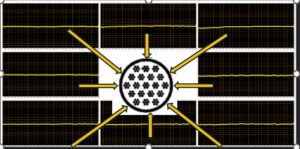
This image represents the primary inspection screen. It displays eight high-resolution graphs representing 45-degree sections of the tendon’s cross-sectional areas in a clockwise representation. When one of the sixteen sensors detects an anomaly anywhere within the tendon, the response is indicated on one or more graphs depending on the defect’s location and size.
The SoftScan© Module is an AI-powered damage-assessment system that analyzes multiple anomaly indicators, including magnetic, spatial, and temporal signatures, to estimate damage severity with enhanced precision. By combining data from a comprehensive 360° sensor array and applying advanced machine-learning models, the SoftScan© Module delivers more accurate and consistent assessments than traditional approaches.
The following images are sample outputs from the sensor array system. When a defect is detected, the corresponding graph charts the response. For example, a small, isolated defect appears strongest on a single graph and more faintly on the graphs to its left and right. In contrast, distributed defects produce indications across multiple graphs. The circle in the center represents the cross-sectional area of the tendon. The red region indicates the surface location of the defect within the tendon.
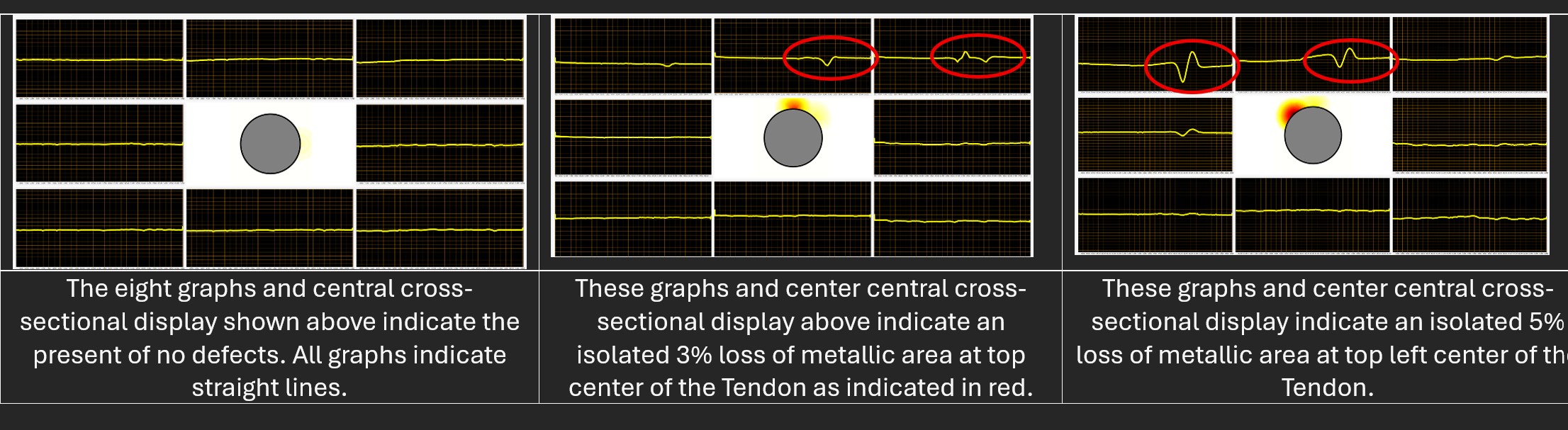
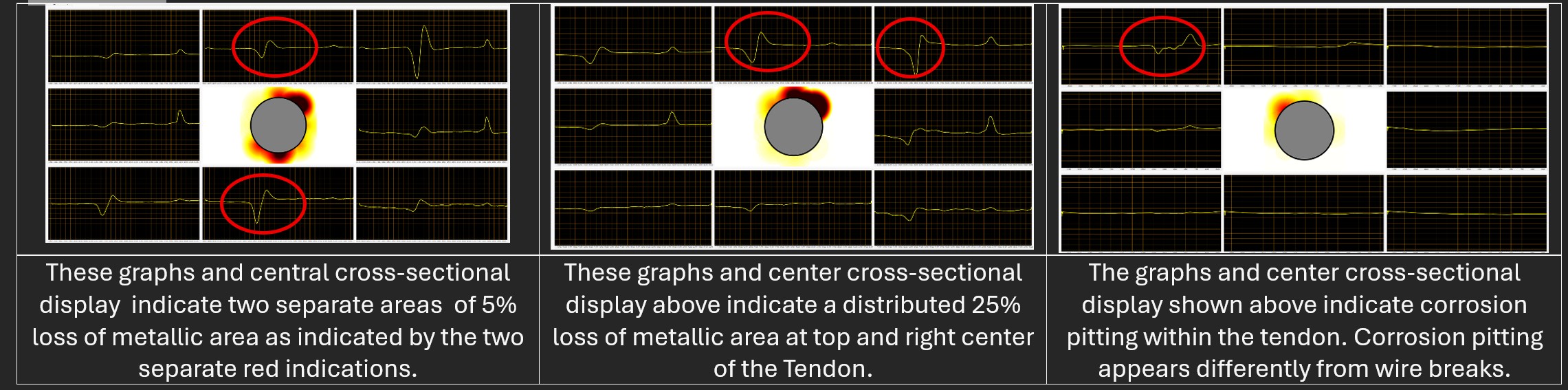
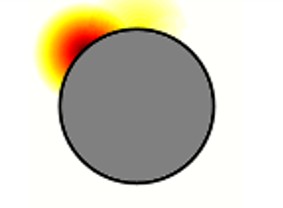
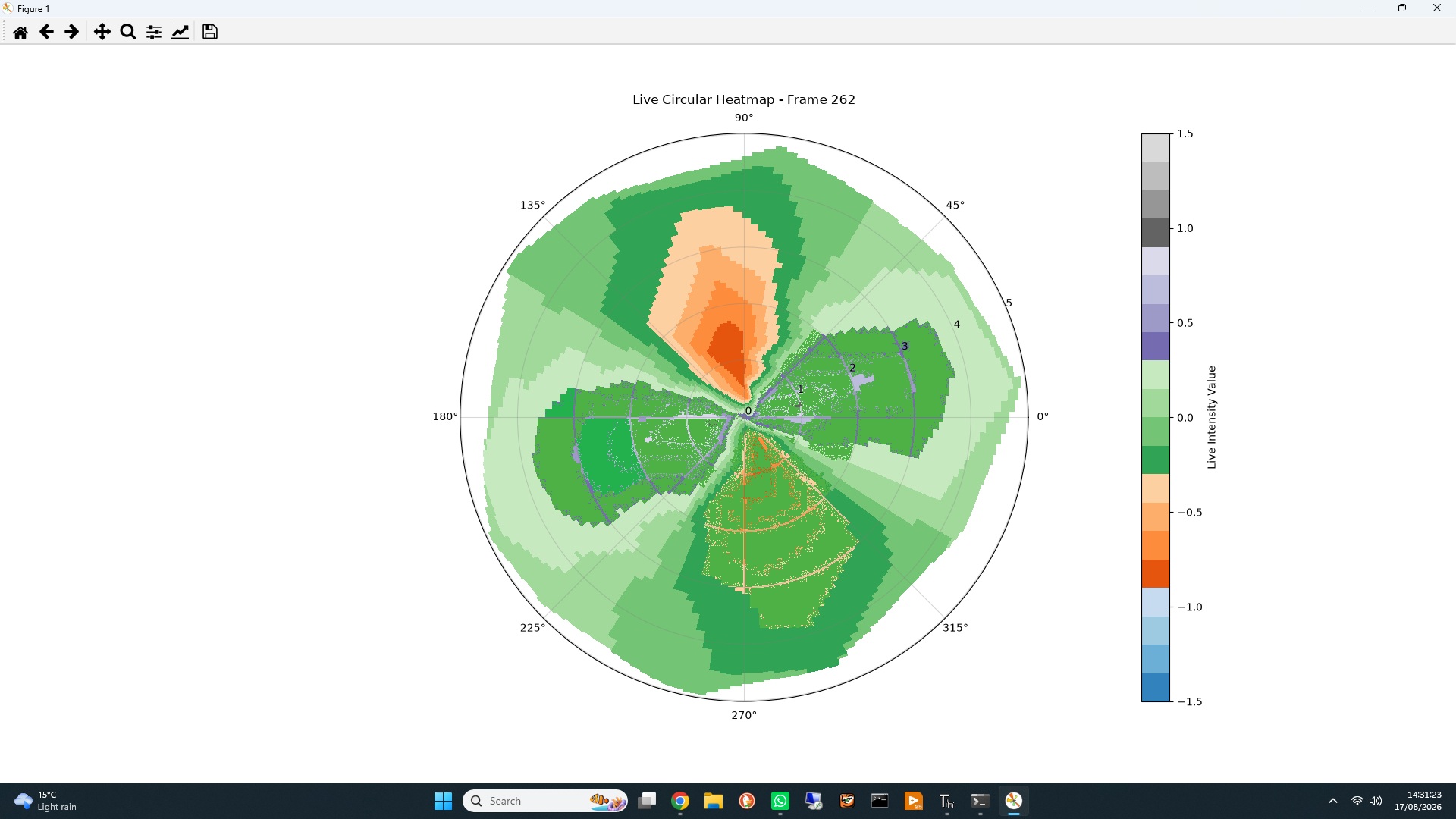
When there is an indication of loss of metallic area, the SoftScan software generates a 2 dimensional graphic representation of the tendon and identifies the surface area of the Tendon located over the defect for scoping or HDPE removal.
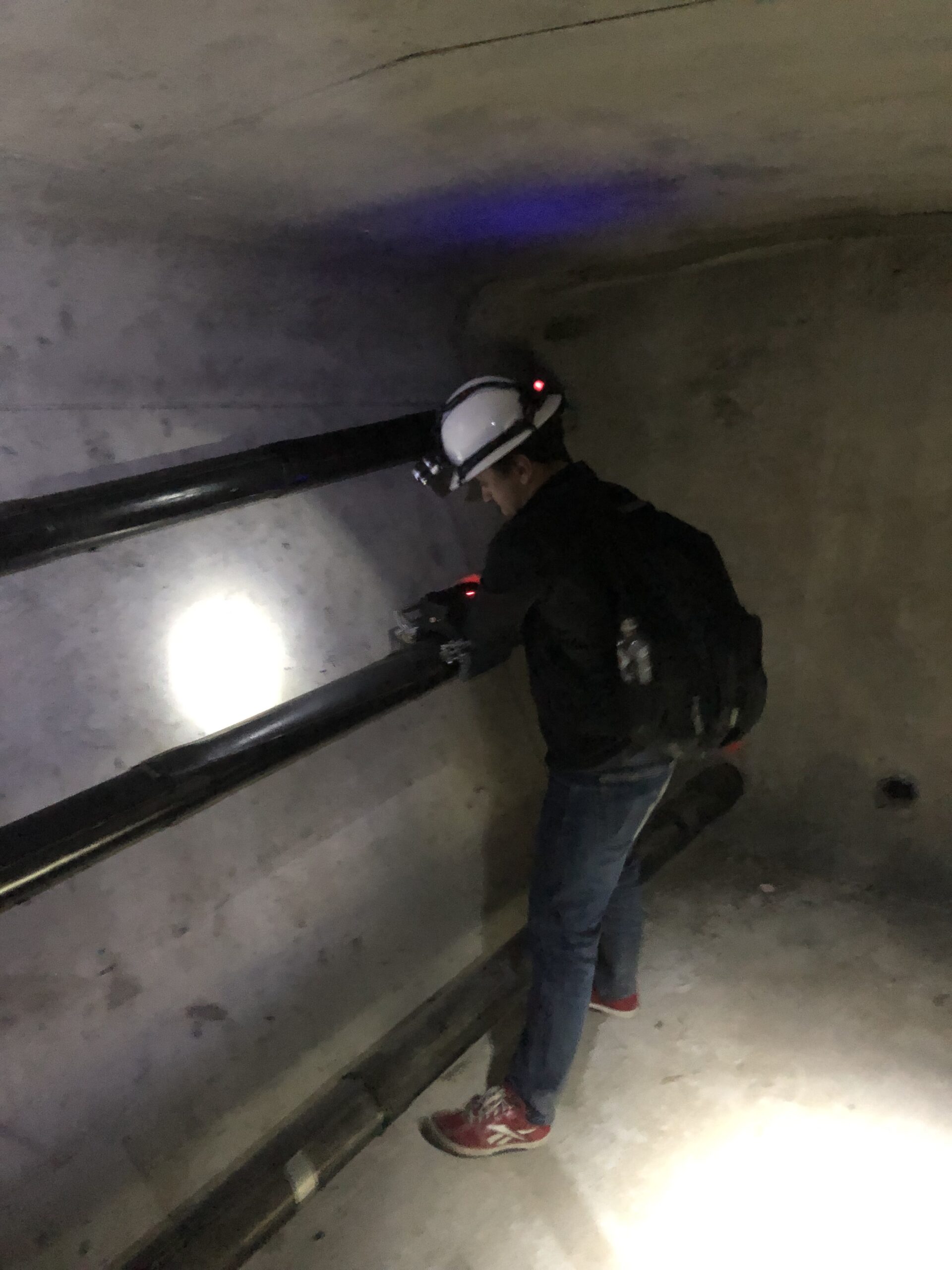
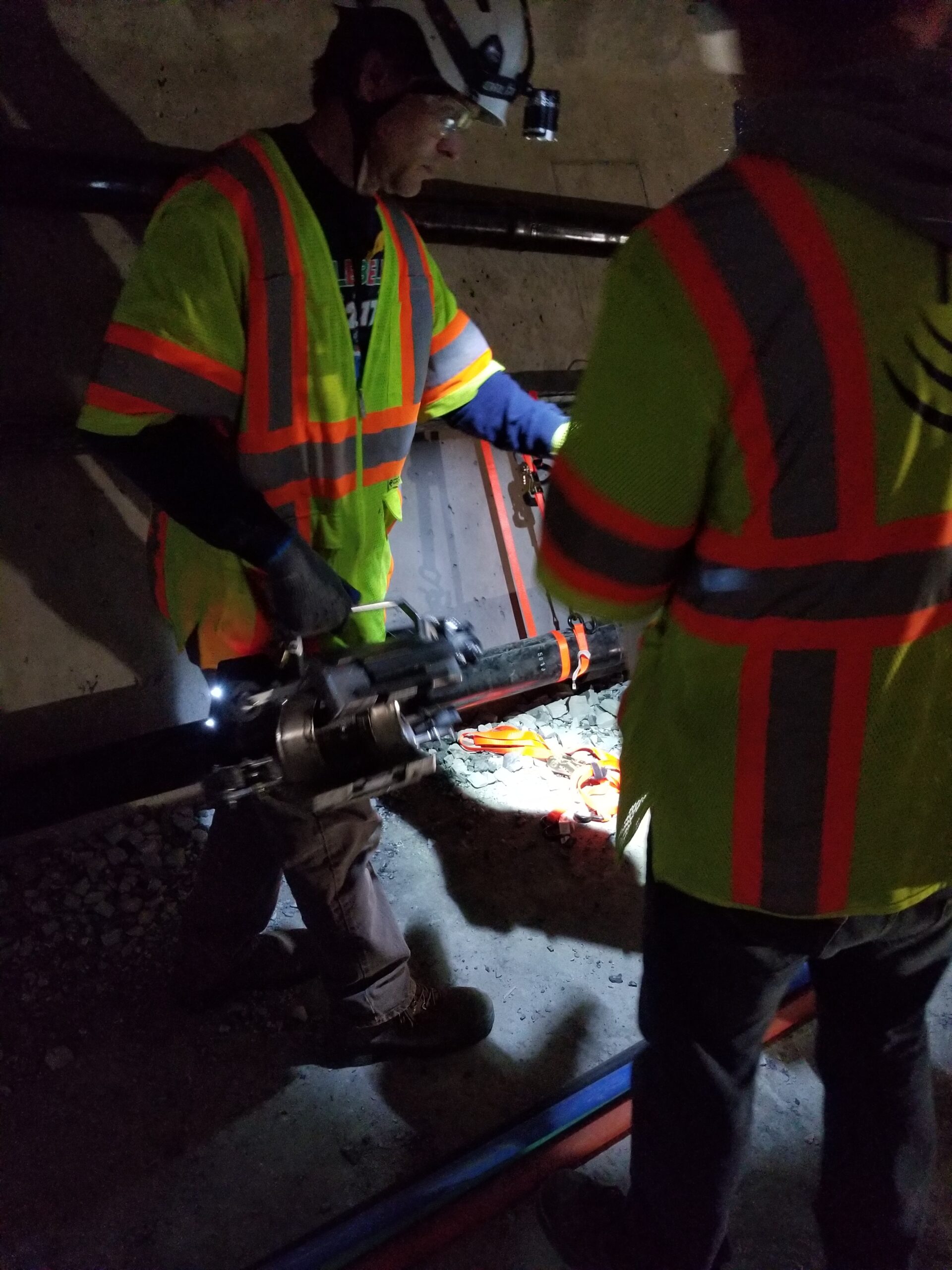
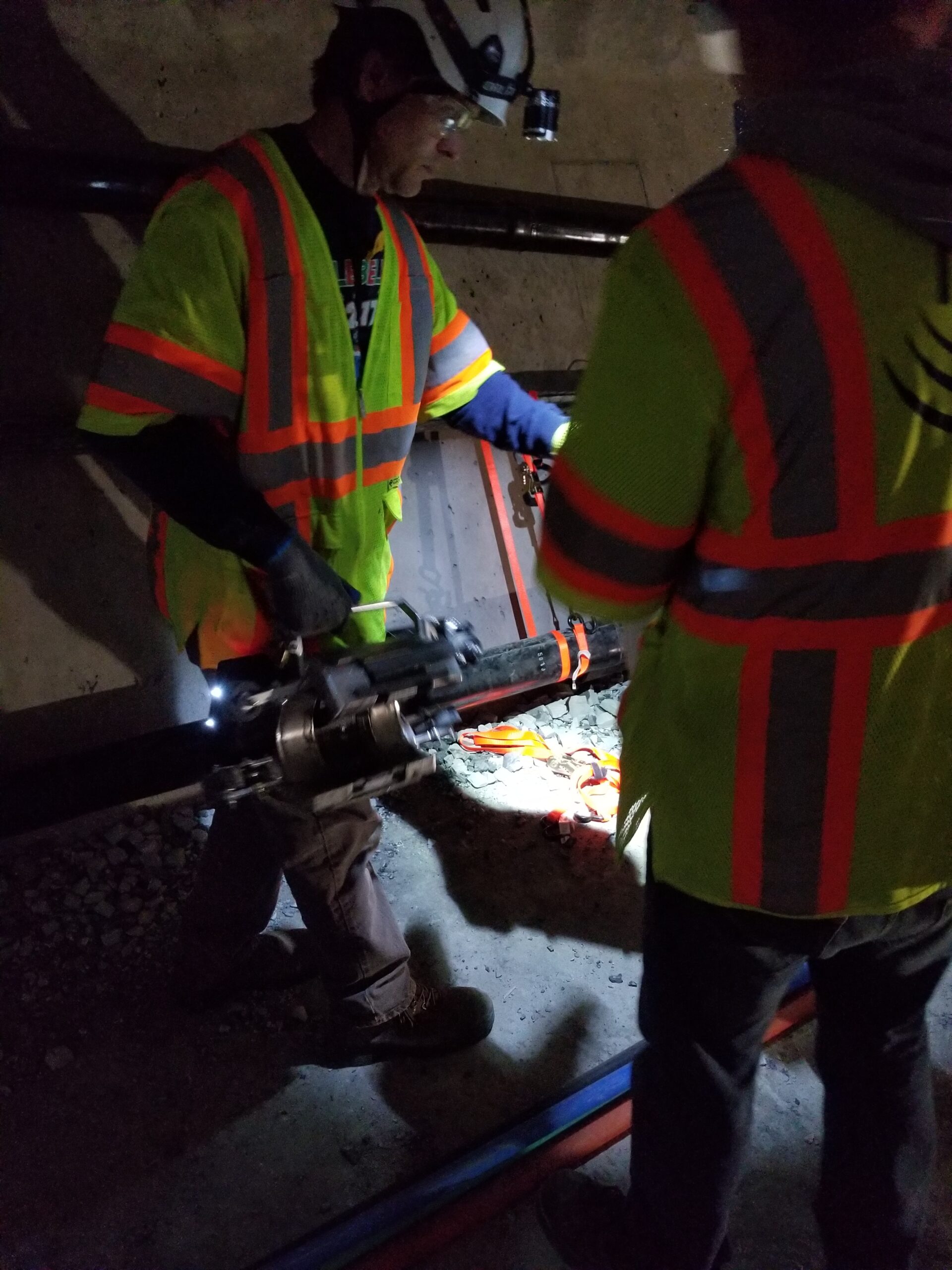
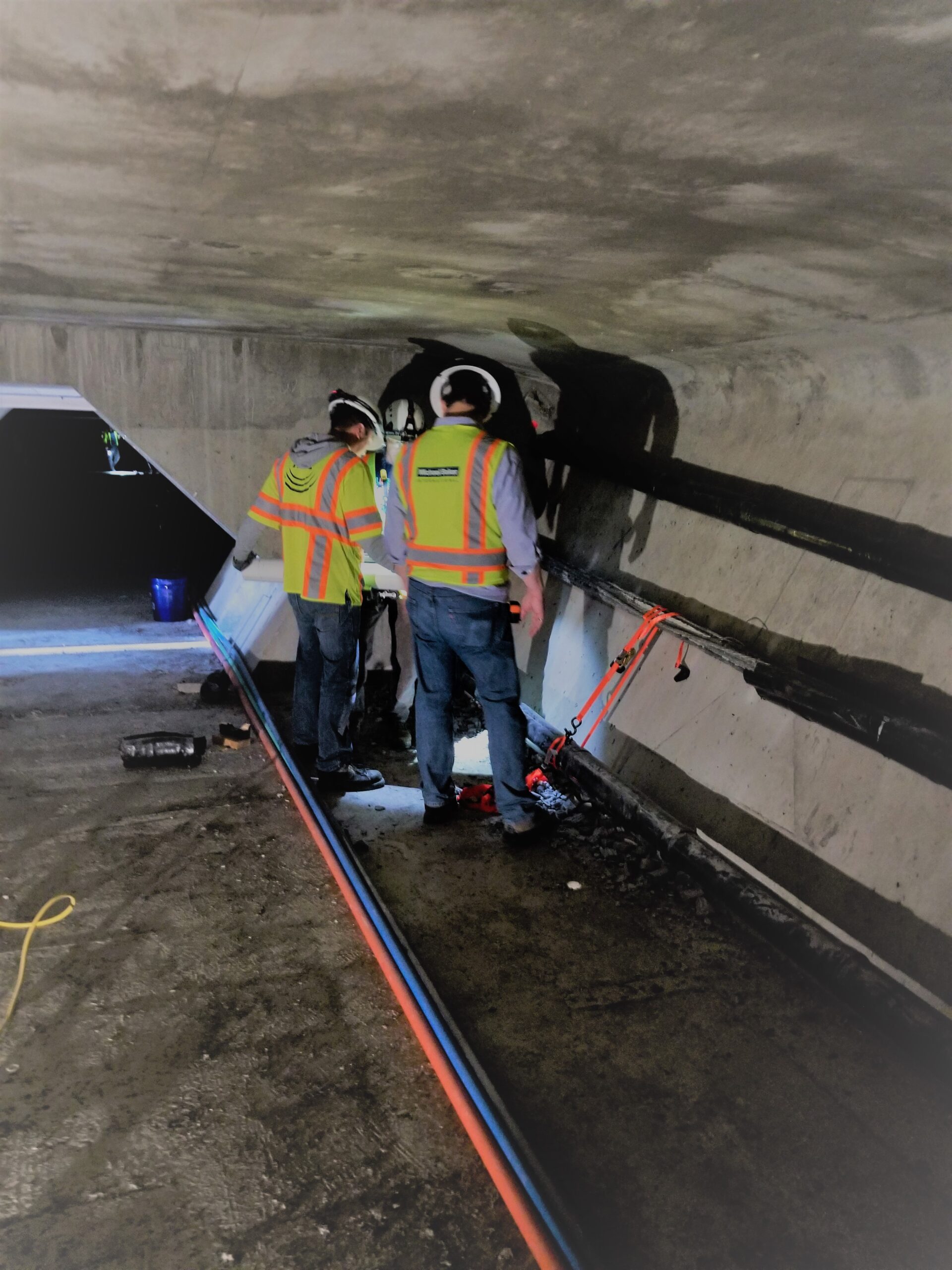
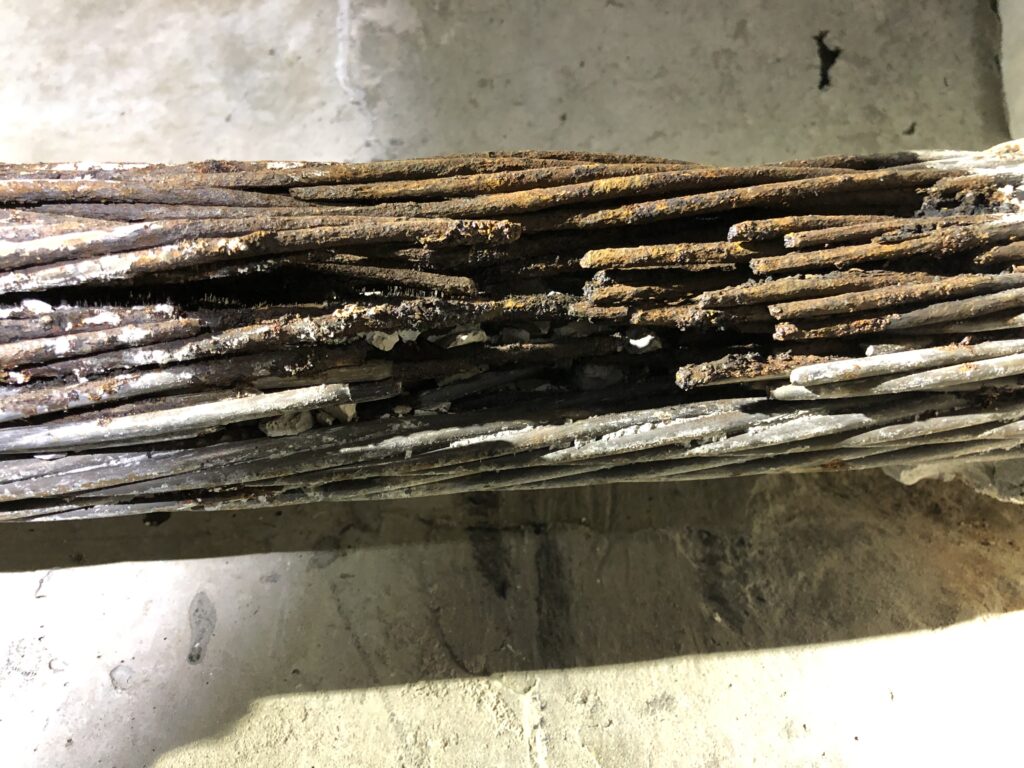
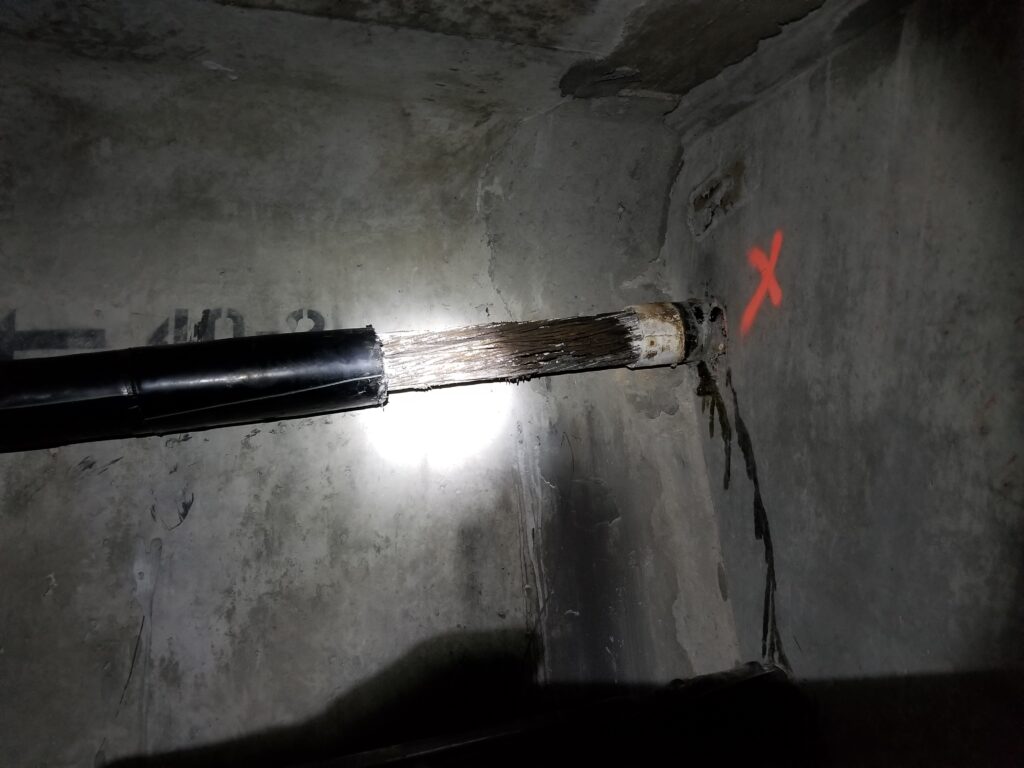
Videos of Tendon360® in the Field
Tendonscan360® System Overview
1. TendonScan360 provides a non-destructive evaluation of metallic section loss within external post-tensioning tendons. It consists of two components, an MFL scanner and a Windows-based tablet with proprietary software.
2. The MFL scanner is constructed from lightweight, industrial-grade composite polymers, yielding high-strength, temperature and impact-resistant durability features that support an array of strong, permanent rare-earth magnets and an extremely sensitive sensor array system.
3. Tendon360’s magnetic homogeneous field induction as well as extended distance detection, enhanced robust sensitivity, and state-of-the-art diagnostic functionality for fine-tuning sensors, along with AI-based standard deviation correction algorithm—enables TendonScan360 to detect 0.03 cu in mass loss of one cable. Which is 14% cross sectional area loss or approximately 0.7% loss of metallic area of a 19 strand bundle tendon.
4. The MFL scanner provides 360-degree scanning coverage where adequate space allows. When space is restricted, a 120-degree bottom section can be quickly detached to provide scanning coverage of 240 degrees. This allows scanning of tendons along the flange and web sections of the box girder.
5. The sensor array is composed of programmable, semiconductor-based Hall effect sensors that are highly sensitive to low levels of electromagnetic energy (magnetic flux leakage) and capable of detecting local fault (LF) indications—such as wire or strand breaks, and loss of metallic area (LMA) indications, including corrosion pitting and gradual loss of metallic cross-sectional areas.
6. The MFL scanner assembly, which traverses along the free length of the external post-tensioning (PT) tendon, rides on a set of impact-resistant rubber wheels that maintain a constant distance of 0.25 inches between the face of the magnet/sensor array and the surface of the HDPE duct.
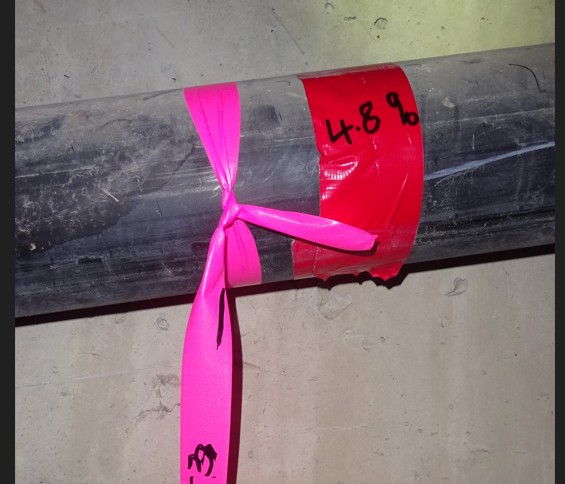
7. When loss of metallic area is detected, the tendon can be wrapped with an orange, 2-inch-wide ribbon that includes details of the metallic loss and identifies the exact location for further investigation. This allows a follow-up inspector or other personnel to walk through the box girder and quickly locate defective areas along the tendons.
8. The TendonScan360 system will be delivered in a single mid-sized Pelican case to facilitate transport, enable handling within a box girder, and ensure portability for shipping or air travel.
9. The test data generated by the scanner is wirelessly transmitted to a lightweight, Windows-based tablet, where real-time results are monitored and recorded.
SoftScan® Overview
10. SoftScan® is proprietary software developed and copyrighted by Robotic Engineering, LLC. It records all loss-of-metallic-area indications for inclusion into a report and for further evaluation, if necessary.
11. When the tablet is connected to the internet, SoftScan© can transfer test data to a predetermined location for backup and off-site evaluation. Additional personnel can review critical instances of metallic area loss that may necessitate immediate attention.
12. SoftScan© provides both qualitative indications of damage and quantitative estimates of the percentage of cross-sectional metallic loss.
13. The SoftScan© Module is an AI-powered damage-assessment system that analyzes multiple anomaly indicators, including magnetic, spatial, and temporal signatures, to estimate damage severity with enhanced precision. By combining data from a comprehensive 360° sensor array and applying advanced machine-learning models, the SoftScan© Module delivers more accurate and consistent assessments than traditional approaches.